✨ New Arrivals Just Dropped!Explore

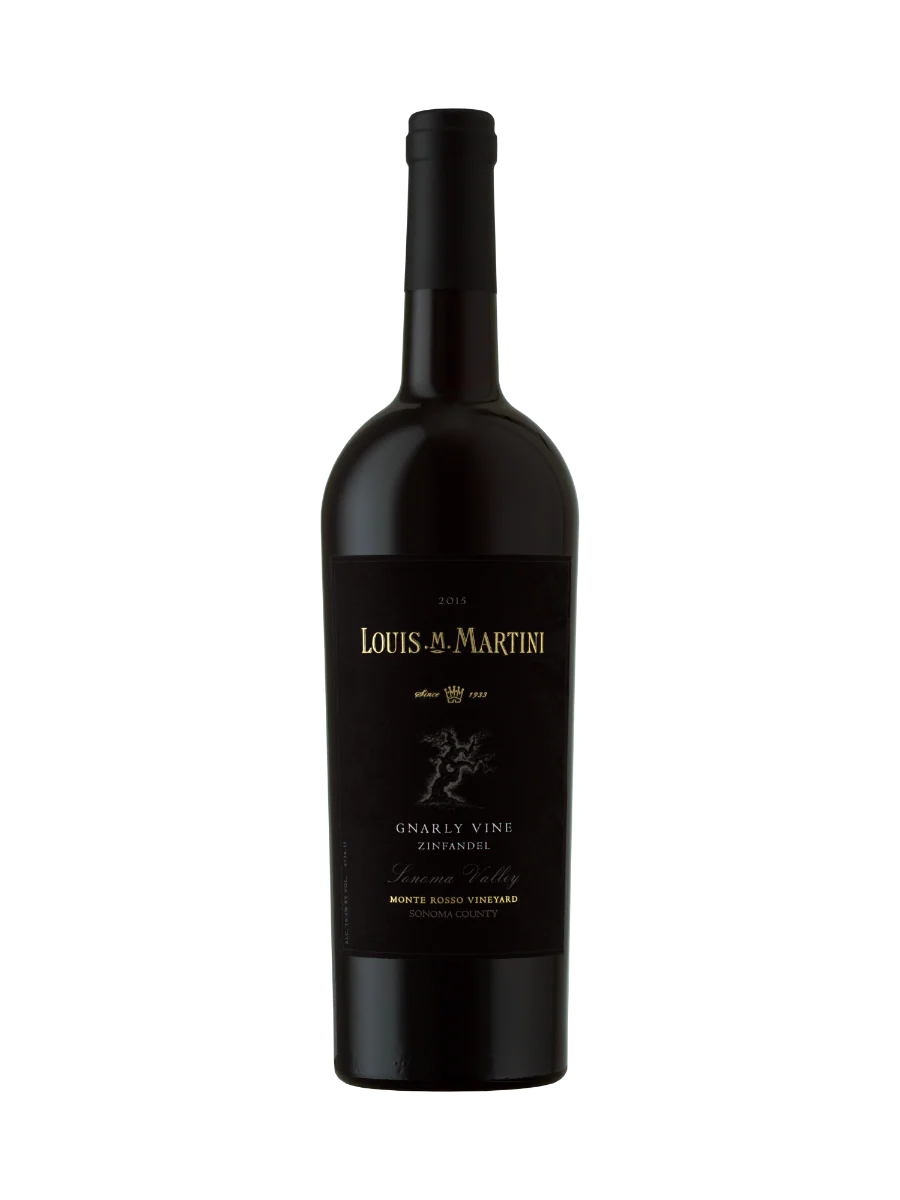
Louis M. Martini, Monte Rosso Vineyard, Gnarly Vine Zinfandel, California
The Gnarly Vine Zinfandel grapes were hand-harvested by block and sorted by hand, then gravity fed into small, open top fermenters for a 3-day cold soak before primary fermentation. The grapes stayed on the skins for up to 16 days while the must was hand punched down 3 to 4 times a day for extraction. After the primary fermentation, the must was gravity fed into a gentle basket press, then fed into barrels for malolactic fermentation and aging. The wine was aged in barrels in individual blocks until it was assembled in July. It was aged several more months in barrels and 12 months in bottle to allow the flavors to integrate. In total, this wine was oak aged 14 months in a mix of 66% new French oak, 16% new American oak and 18% neutral barrels.
$109.50
Louis M. Martini, Monte Rosso Vineyard, Gnarly Vine Zinfandel, California—
$109.50
Louis M. Martini, Monte Rosso Vineyard, Gnarly Vine Zinfandel, California
The Gnarly Vine Zinfandel grapes were hand-harvested by block and sorted by hand, then gravity fed into small, open top fermenters for a 3-day cold soak before primary fermentation. The grapes stayed on the skins for up to 16 days while the must was hand punched down 3 to 4 times a day for extraction. After the primary fermentation, the must was gravity fed into a gentle basket press, then fed into barrels for malolactic fermentation and aging. The wine was aged in barrels in individual blocks until it was assembled in July. It was aged several more months in barrels and 12 months in bottle to allow the flavors to integrate. In total, this wine was oak aged 14 months in a mix of 66% new French oak, 16% new American oak and 18% neutral barrels.
Product Information
Product Information
Shipping & Returns
Shipping & Returns
Description
The Gnarly Vine Zinfandel grapes were hand-harvested by block and sorted by hand, then gravity fed into small, open top fermenters for a 3-day cold soak before primary fermentation. The grapes stayed on the skins for up to 16 days while the must was hand punched down 3 to 4 times a day for extraction. After the primary fermentation, the must was gravity fed into a gentle basket press, then fed into barrels for malolactic fermentation and aging. The wine was aged in barrels in individual blocks until it was assembled in July. It was aged several more months in barrels and 12 months in bottle to allow the flavors to integrate. In total, this wine was oak aged 14 months in a mix of 66% new French oak, 16% new American oak and 18% neutral barrels.